A Journey Via Religion: Exploring Close by Temples of Numerous Traditions
Associated Articles: A Journey Via Religion: Exploring Close by Temples of Numerous Traditions
Introduction
With nice pleasure, we are going to discover the intriguing matter associated to A Journey Via Religion: Exploring Close by Temples of Numerous Traditions. Let’s weave attention-grabbing data and provide contemporary views to the readers.
Desk of Content material
A Journey Via Religion: Exploring Close by Temples of Numerous Traditions

Temples, locations of worship and non secular reflection, maintain a novel place within the human expertise. They stand as testaments to religion, historical past, and the enduring energy of perception. Whether or not you are a religious follower, a curious traveler, or just in search of a second of peace, exploring close by temples gives a wealthy and rewarding expertise. This text delves into the fascinating world of close by temples, highlighting their various architectural kinds, historic significance, and the non secular practices they characterize. Whereas the precise "close by" places will rely upon the reader’s geographical place, we are going to deal with exploring the final themes and experiences related to visiting various kinds of temples.
Understanding the Range of Temples:
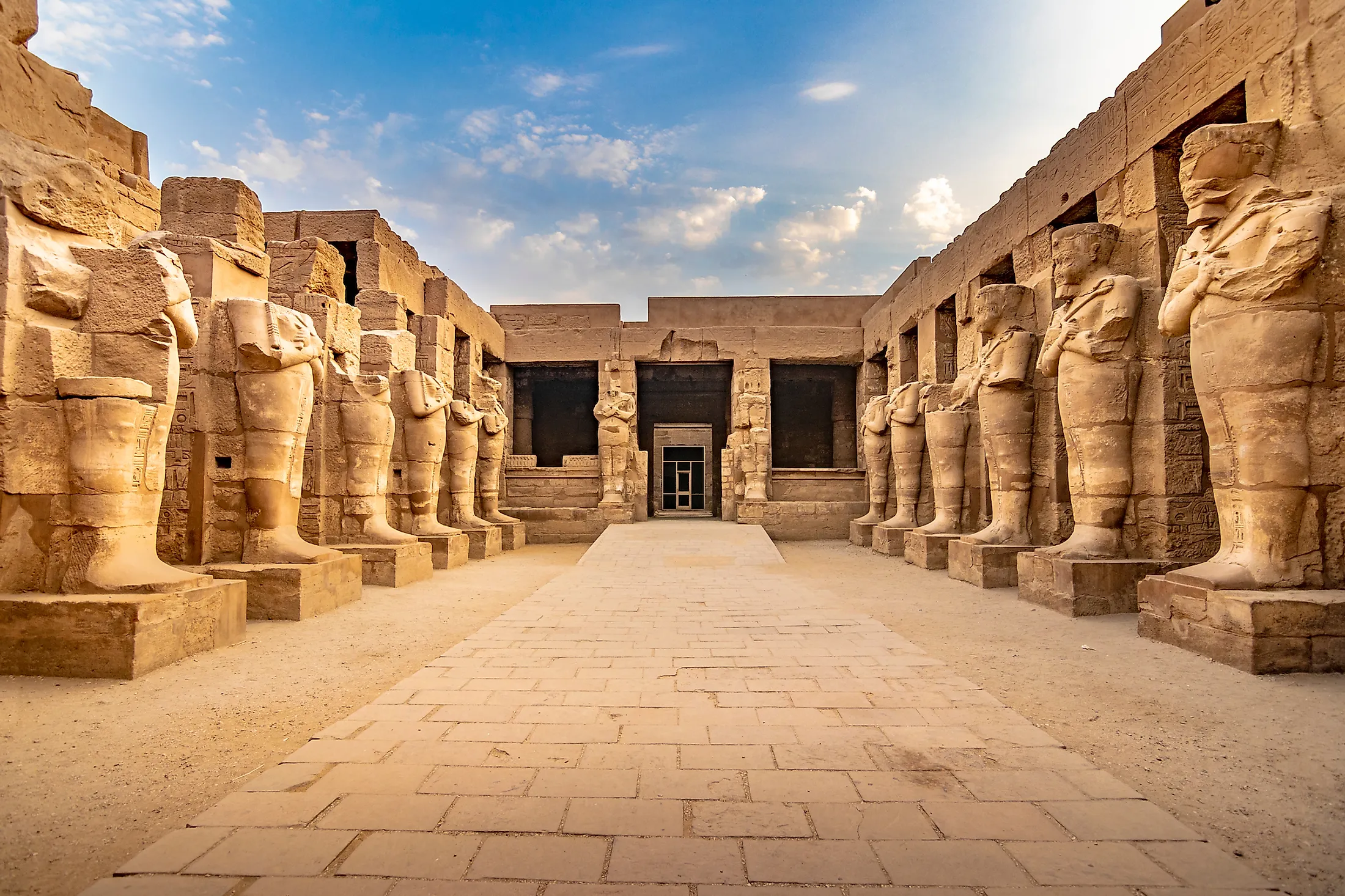
The time period "temple" encompasses an enormous vary of buildings and traditions. From the majestic stone edifices of historical civilizations to the extra modest shrines present in trendy communities, temples function focal factors for non secular practices throughout quite a few religions and cultures. This range is mirrored of their architectural kinds, rituals, and the deities or rules they venerate.
Hindu Temples: A Tapestry of Architectural Kinds:
Hindu temples, usually characterised by intricate carvings, hovering gopurams (tower gateways), and vibrant colours, characterize a wealthy tapestry of architectural kinds that change regionally. The Dravidian type, prevalent in South India, is understood for its towering gopurams, whereas the Nagara type, present in North India, options curvilinear shikharas (towers). These buildings usually are not merely buildings; they’re thought-about sacred areas, meticulously designed to mirror cosmological rules and the divine presence. Visiting a Hindu temple gives a possibility to understand the artistry and symbolism embedded in its design, from the intricate sculptures to the rigorously deliberate format. Bear in mind to decorate modestly and be respectful of native customs and traditions when visiting.
Buddhist Temples: Serenity and Enlightenment:
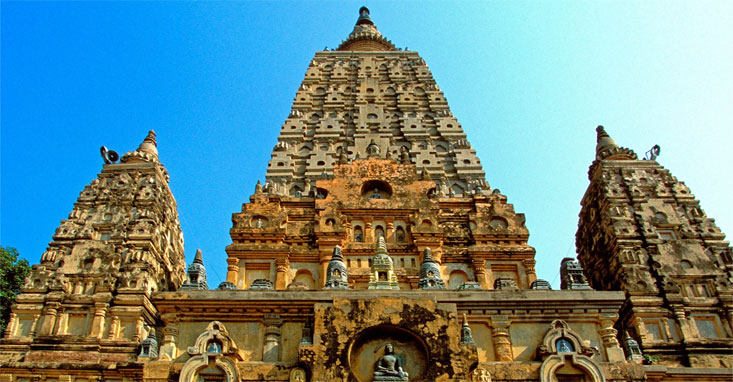
Buddhist temples, usually characterised by a way of serenity and tranquility, provide a peaceable respite from the hustle and bustle of each day life. From the ornate pagodas of East Asia to the easy meditation halls of Southeast Asia, these buildings function areas for meditation, prayer, and the research of Buddhist teachings. Many Buddhist temples characteristic statues of Buddha and different necessary figures, intricate murals depicting scenes from Buddhist mythology, and peaceable gardens designed for contemplation. Visiting a Buddhist temple generally is a deeply enriching expertise, offering a possibility to mirror on the rules of compassion, mindfulness, and enlightenment.
Jain Temples: Purity and Non-Violence:
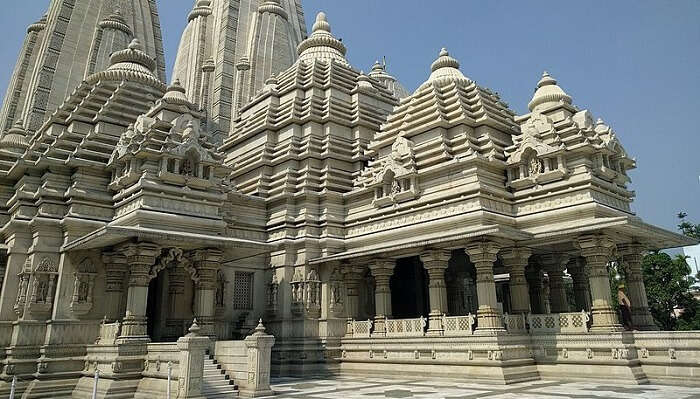
Jain temples, characterised by their intricate marble carvings and emphasis on purity and non-violence, are architectural marvels. These temples are sometimes adorned with elaborate sculptures of Tirthankaras (non secular academics) and different important figures in Jainism. The emphasis on cleanliness and non-violence extends to the temple setting, making a serene and peaceable environment. Visiting a Jain temple offers a possibility to be taught in regards to the rules of Jainism and recognize the artistry and dedication that goes into creating these sacred areas.
Sikh Gurdwaras: Open Homes of Worship:
Sikh Gurdwaras, characterised by their open structure and welcoming environment, are distinctive amongst locations of worship. In contrast to many different temples, Gurdwaras are open to all, no matter religion or background. The central characteristic of a Gurdwara is the Guru Granth Sahib, the Sikh holy scripture, which is handled with the utmost reverence. Visiting a Gurdwara is an opportunity to expertise the heat and inclusivity of Sikhism and take part within the communal langar (free kitchen) that serves meals to all guests.
Christian Church buildings as Temples:
Whereas usually not known as "temples" in the identical method as these talked about above, Christian church buildings serve the same objective – a devoted house for worship and non secular connection. The architectural kinds of church buildings are extremely various, reflecting regional variations and historic intervals. From the grand cathedrals of Europe to the easier chapels of rural communities, these buildings provide a glimpse into the historical past and evolution of Christianity. Visiting a church can present a second of reflection and an appreciation for the wealthy inventive and architectural heritage related to this religion.
Islamic Mosques: Locations of Prayer and Group:
Mosques, the locations of worship for Muslims, are characterised by their architectural magnificence and non secular significance. The minaret, a slender tower from which the decision to prayer is given, is a particular characteristic of many mosques. The inside usually options intricate geometric patterns, calligraphy, and a mihrab (area of interest indicating the route of Mecca). Visiting a mosque requires respect for Islamic customs, together with modest gown and applicable habits. It gives an opportunity to study Islamic structure and the significance of neighborhood in Islamic religion.
Exploring Past the Construction:
Visiting a temple is not only about admiring the structure; it is about partaking with the tradition and neighborhood related to it. Many temples host festivals and ceremonies all year long, providing guests an opportunity to witness vibrant rituals and traditions. Taking part in these occasions can present a deeper understanding of the religion and its significance within the lives of its followers. Moreover, partaking with the local people, asking questions respectfully, and studying in regards to the historical past and significance of the temple can enrich the expertise considerably.
Respect and Etiquette:
When visiting any temple, no matter its non secular affiliation, it is essential to show respect for the sacred house and the beliefs of its followers. This contains dressing modestly, talking quietly, refraining from disruptive habits, and being aware of native customs and traditions. Earlier than getting into a temple, it is usually advisable to analysis the particular etiquette tips related to that individual place of worship.
Conclusion:
Exploring close by temples gives a journey via various cultures, beliefs, and architectural kinds. It is a possibility to develop your understanding of various faiths, recognize the artistry and craftsmanship concerned in creating these sacred areas, and expertise the profound sense of peace and non secular connection they provide. By approaching every temple with respect and an open thoughts, you may embark on a very enriching and memorable expertise. Bear in mind to analysis the particular temples you intend to go to to make sure you’re ready and respectful of their distinctive customs and traditions. Let your journey via religion start!





Closure
Thus, we hope this text has supplied useful insights into A Journey Via Religion: Exploring Close by Temples of Numerous Traditions. We recognize your consideration to our article. See you in our subsequent article!