Past the Beatdown: Exploring the Cinematic Adaptation of Yakuza: Like a Dragon
Associated Articles: Past the Beatdown: Exploring the Cinematic Adaptation of Yakuza: Like a Dragon
Introduction
With enthusiasm, let’s navigate via the intriguing subject associated to Past the Beatdown: Exploring the Cinematic Adaptation of Yakuza: Like a Dragon. Let’s weave attention-grabbing data and provide recent views to the readers.
Desk of Content material
Past the Beatdown: Exploring the Cinematic Adaptation of Yakuza: Like a Dragon
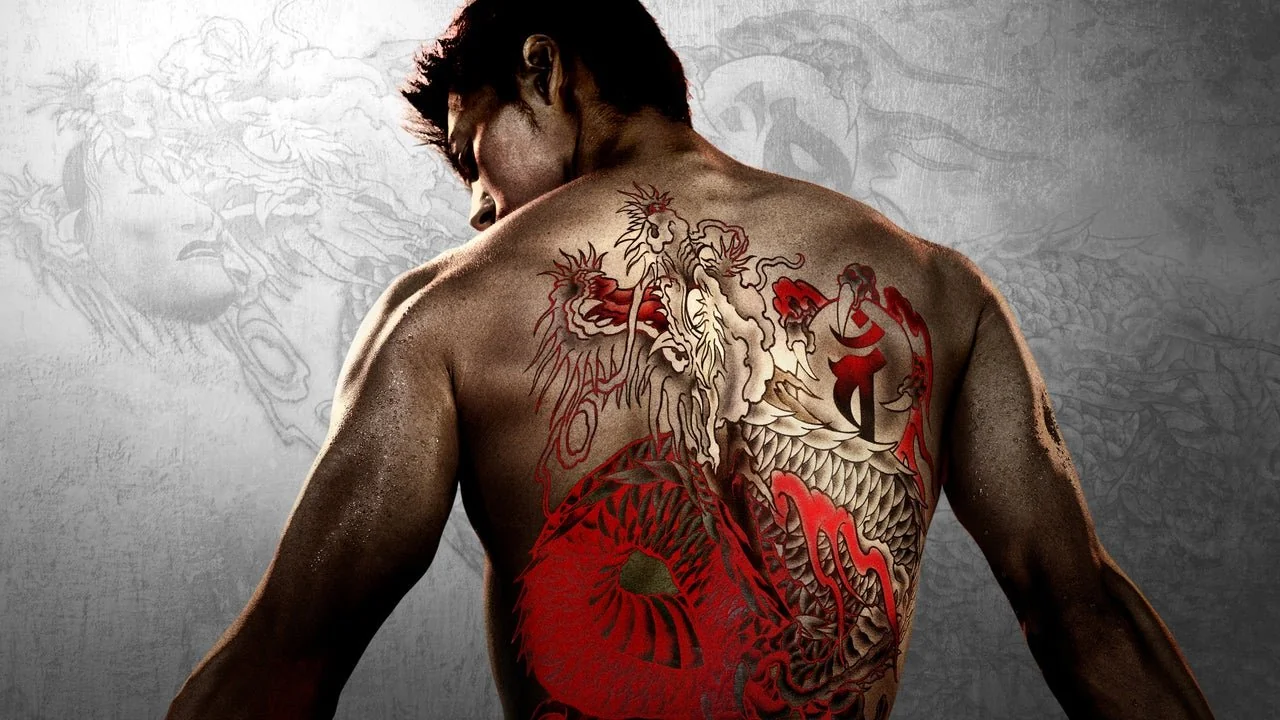
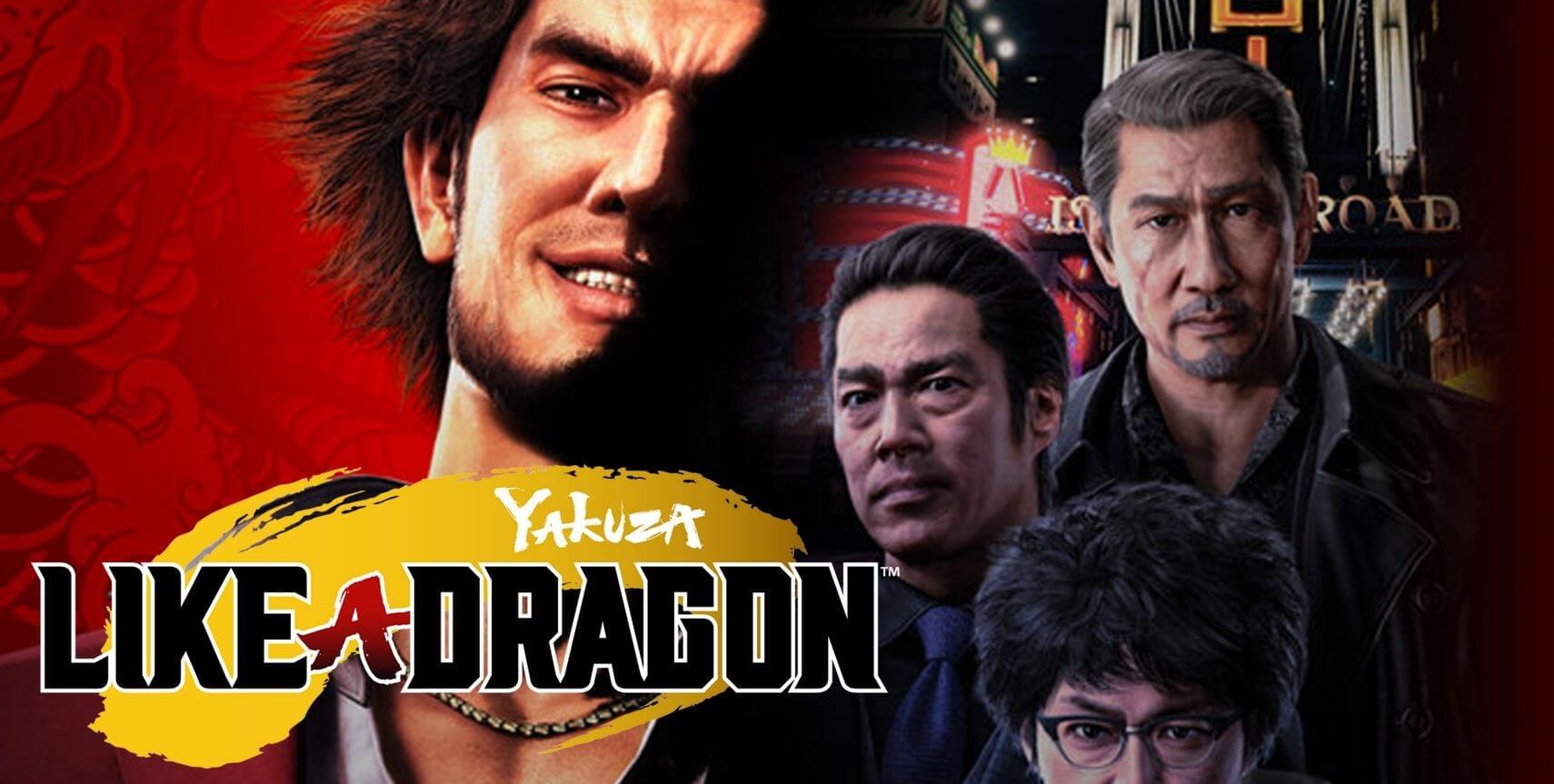
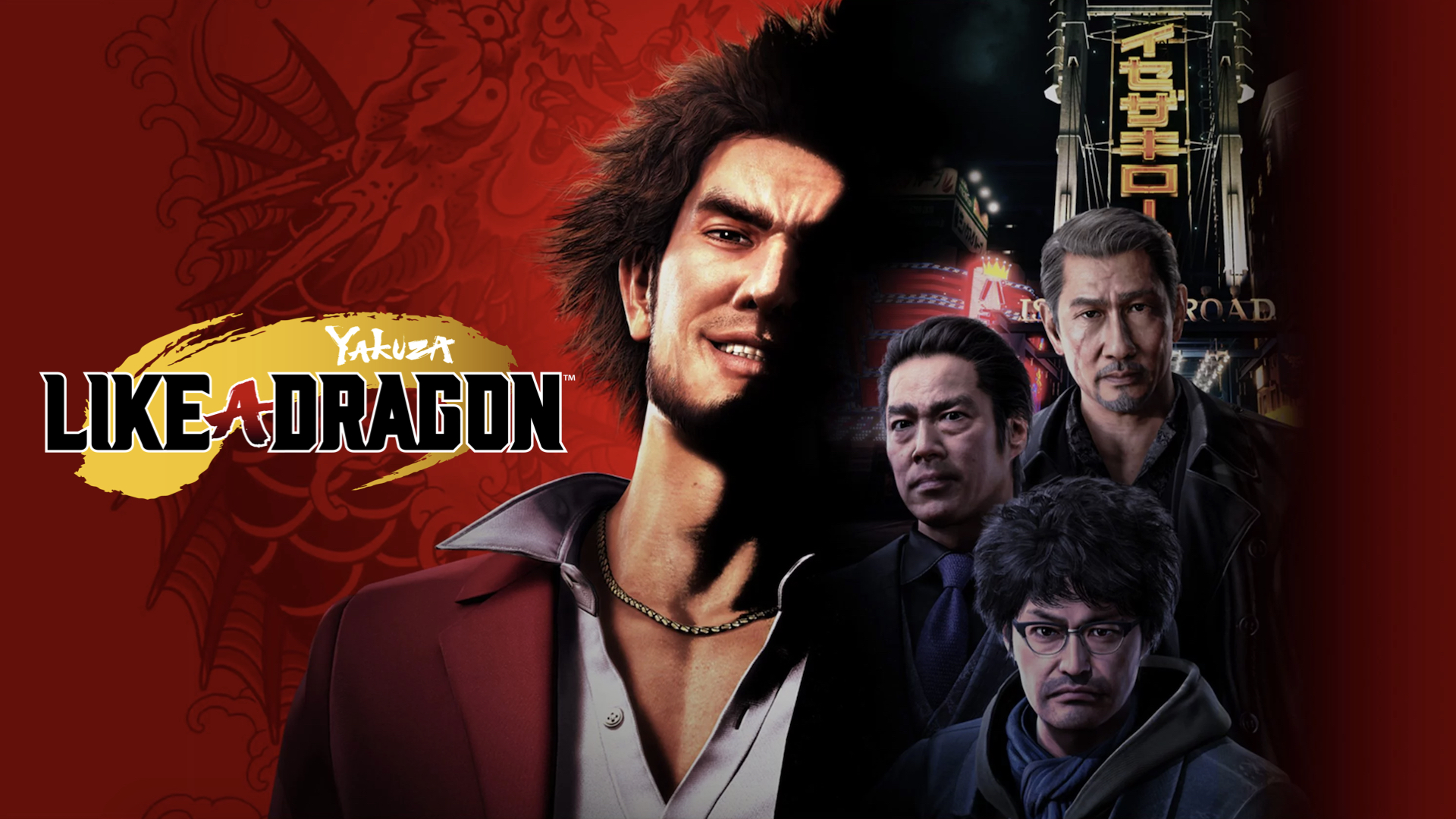
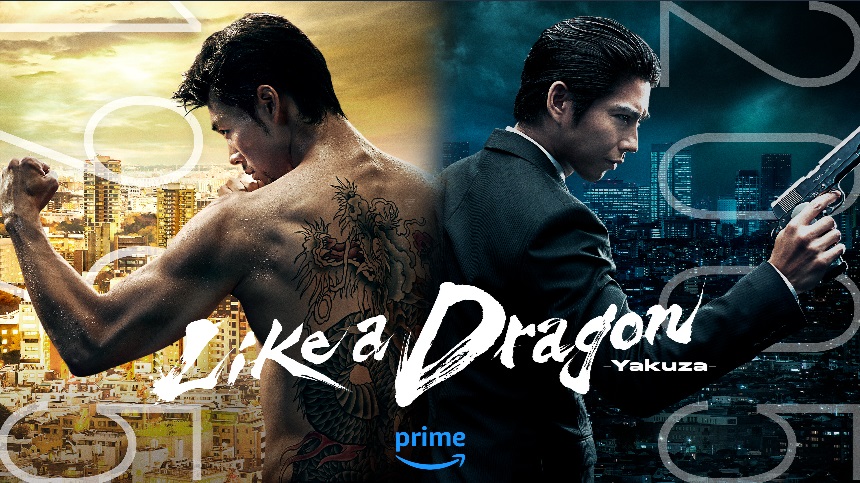
The Yakuza collection, a long-running and beloved franchise identified for its over-the-top motion, compelling characters, and surprisingly heartfelt narrative, took a big leap in 2020 with the discharge of Yakuza: Like a Dragon. This installment, a departure from the collection’ conventional beat-’em-up gameplay, embraced a turn-based RPG system, and its cinematic adaptation, merely titled Yakuza: Like a Dragon, additional expands upon this evolution, providing a novel viewing expertise for each longtime followers and newcomers alike. This text delves deep into the movie’s strengths and weaknesses, exploring the way it interprets the sport’s advanced narrative, vibrant characters, and distinctive fashion to the large display screen.
The movie, directed by Takashi Miike – a reputation synonymous with Japanese cult cinema identified for its mix of violence, humor, and infrequently surreal imagery – instantly establishes its tone. It is not an easy motion flick; as an alternative, it prioritizes character improvement and narrative depth, mirroring the sport’s concentrate on its protagonist, Ichiban Kasuga. This shift is essential, as the sport’s success hinges on the viewers’s funding in Ichiban’s journey, and the movie efficiently replicates this emotional core.
Performed by the charismatic actor, Hokuto Yoshino, Ichiban is portrayed with a naive earnestness that belies his unwavering loyalty and surprisingly astute understanding of human nature. The movie successfully captures Ichiban’s unwavering optimism, even within the face of overwhelming adversity. This unwavering spirit, a key component of his character, is what drives the narrative ahead and permits the viewers to attach along with his struggles. Yoshino’s efficiency is central to the movie’s success; he embodies Ichiban’s unwavering dedication to his beliefs, his impulsive nature, and his capability for each profound kindness and brutal violence. He completely balances the comedic and dramatic features of the character, making him each relatable and compelling.
The movie’s supporting forged is equally well-realized. Every member of the unlikely celebration – Adachi, Saeko, Joon-gi Han, and Zhao – is given adequate display screen time to determine their particular person personalities and motivations. Whereas the movie understandably condenses the sport’s in depth aspect tales and character arcs, it manages to retain the essence of every character’s relationship with Ichiban. The dynamic between them, constructed on mutual respect and begrudging camaraderie, is a spotlight of the movie. Their interactions are peppered with each humor and heartfelt moments, making a plausible and interesting ensemble.
One of many movie’s biggest strengths lies in its potential to translate the sport’s distinctive mix of over-the-top motion and surprisingly poignant moments. The battle sequences are visceral and well-choreographed, showcasing the distinctive fight kinds of every character. Whereas the movie would not depend on the identical stage of element as the sport’s turn-based fight system, it manages to seize the depth and the strategic components via inventive camerawork and enhancing. The motion is punctuated by moments of real emotion, showcasing the characters’ vulnerabilities and reinforcing their bonds.
Nevertheless, the movie is not with out its shortcomings. The sheer quantity of content material within the sport necessitates vital cuts, and a few narrative threads are simplified or omitted solely. Sure subplots, whereas enriching the sport’s world, are understandably absent, resulting in a extra streamlined, albeit much less nuanced, narrative. This streamlining, whereas mandatory for a feature-length movie, may depart some followers eager for the depth and complexity of the unique sport.
The pacing, whereas usually efficient, typically feels rushed. The movie makes an attempt to cowl a big quantity of floor in its runtime, and sure plot factors might have benefited from extra improvement. That is notably noticeable within the movie’s dealing with of the overarching narrative involving the Arakawa household and their machinations. Whereas the core battle stays intact, a few of the intricacies and subtleties of the sport’s plot are misplaced in translation.
One other level of competition could be the movie’s adaptation of the sport’s distinctive setting, Yokohama’s Isezaki Ijincho. Whereas the movie visually captures the colourful vitality and eclectic environment of the district, it would not totally replicate the depth and richness of the sport’s world. The movie’s portrayal of the assorted places feels considerably superficial in comparison with the detailed exploration provided within the sport. That is comprehensible given the restrictions of a cinematic adaptation, however it may disappoint gamers who deeply respect the sport’s richly detailed surroundings.
Regardless of these criticisms, Yakuza: Like a Dragon stays a remarkably devoted and interesting adaptation. Miike’s directorial fashion, identified for its daring visuals and unpredictable pacing, enhances the sport’s distinctive tone. The movie efficiently captures the spirit of the sport, specializing in its core themes of loyalty, friendship, and the pursuit of justice, even amidst overwhelming odds. The movie’s success lies not simply in its motion sequences however in its potential to convey the emotional depth and surprisingly heartwarming moments that outline the sport.
In the end, Yakuza: Like a Dragon serves as a powerful introduction to the world of Ichiban Kasuga and the Yakuza collection for newcomers. It successfully captures the essence of the sport’s narrative, characters, and distinctive fashion, whereas remaining a compelling cinematic expertise in its personal proper. Whereas longtime followers may discover themselves wishing for extra element and depth, the movie stands as a testomony to the enduring attraction of the Yakuza franchise and its potential to translate its distinctive model of storytelling to the large display screen. It is a movie that embraces each the over-the-top motion and the surprisingly poignant moments that outline the sport, providing a satisfying and interesting expertise for a large viewers. It is a movie that, very like the sport itself, leaves you wanting extra, desirous to discover the wealthy tapestry of this charming world additional. It is a worthy adaptation, a stable entry level, and a testomony to the enduring energy of the Yakuza saga. The movie is a profitable translation, not an ideal replication, and that is in the end what makes it so compelling. It is a worthy addition to the Yakuza legacy, leaving an enduring impression lengthy after the credit roll.



Closure
Thus, we hope this text has offered helpful insights into Past the Beatdown: Exploring the Cinematic Adaptation of Yakuza: Like a Dragon. We respect your consideration to our article. See you in our subsequent article!