The Unfolding Dreamscape: A Deep Dive into "Rascal Does Not Dream of Bunny Lady Senpai"
Associated Articles: The Unfolding Dreamscape: A Deep Dive into "Rascal Does Not Dream of Bunny Lady Senpai"
Introduction
On this auspicious event, we’re delighted to delve into the intriguing matter associated to The Unfolding Dreamscape: A Deep Dive into "Rascal Does Not Dream of Bunny Lady Senpai". Let’s weave fascinating data and supply recent views to the readers.
Desk of Content material
The Unfolding Dreamscape: A Deep Dive into "Rascal Does Not Dream of Bunny Lady Senpai"

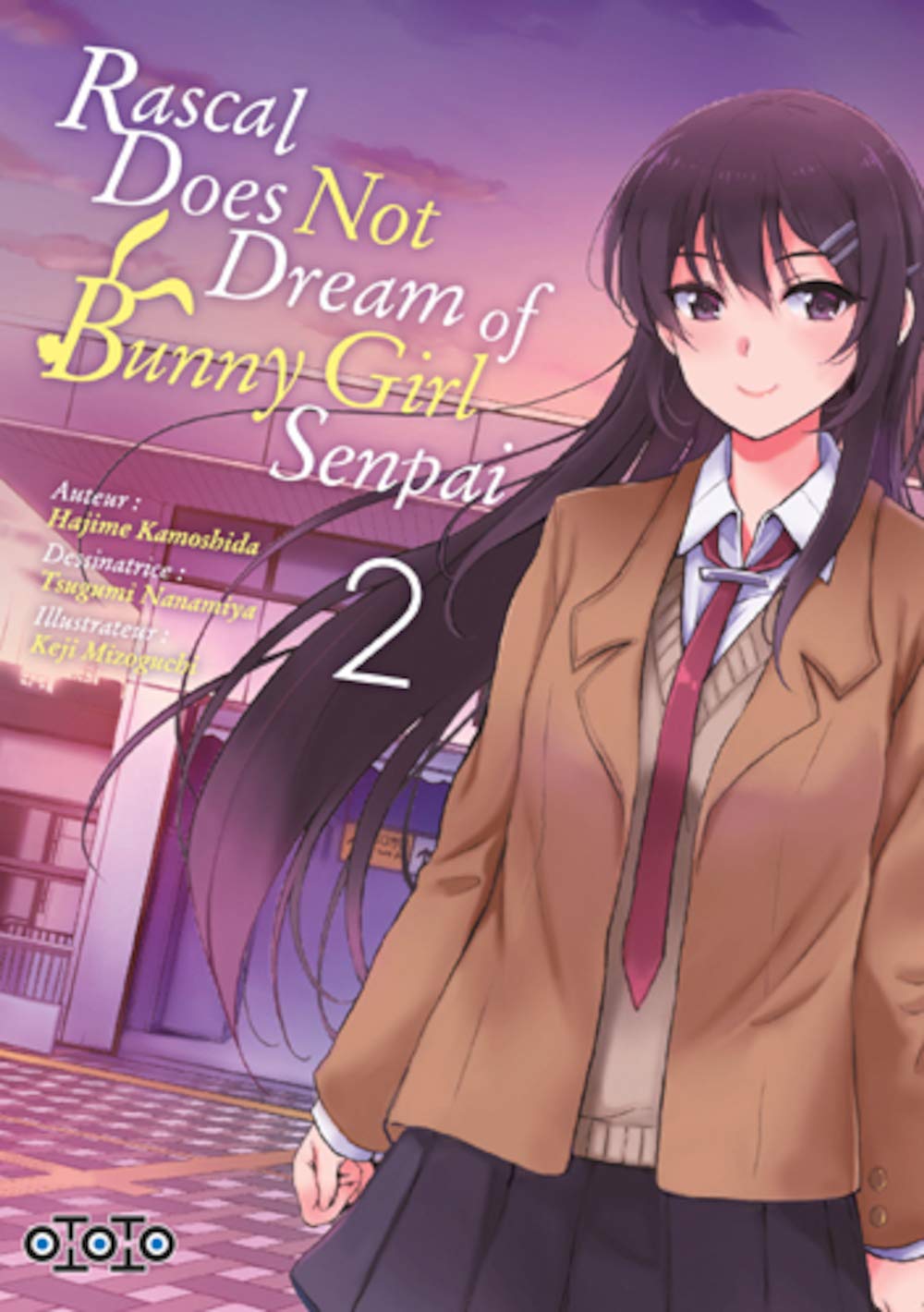
"Rascal Does Not Dream of Bunny Lady Senpai" (Seishun Buta Yarou wa Bunny Lady Senpai no Yume wo Minai), or "Bunny Lady Senpai" because it’s extra generally identified, is not your typical highschool romance anime. Whereas it options the charming tropes of a burgeoning relationship between Sakuta Azusagawa and Mai Sakurajima, a ravishing and enigmatic senpai, the collection transcends the style’s typical limitations by delving into the complexities of adolescence, the character of actuality, and the ability of human connection within the face of the extraordinary. This deep dive will discover the thematic richness, character growth, and narrative construction that elevates "Bunny Lady Senpai" past a easy rom-com, solidifying its place as a compelling and thought-provoking work of anime.
The collection’ central conceit – the "puberty syndrome" – acts as a strong narrative machine, introducing a fantastical ingredient that seamlessly intertwines with the real looking portrayal of highschool life. This syndrome manifests as weird, reality-bending phenomena skilled by adolescents, every reflecting their internal turmoil and unresolved emotional conflicts. As a substitute of merely serving as a plot machine, the puberty syndrome features as a metaphor for the turbulent emotional panorama of adolescence itself. The anxieties, insecurities, and existential questions that plague youngsters are given tangible type, permitting the characters and the viewers to confront these points head-on.
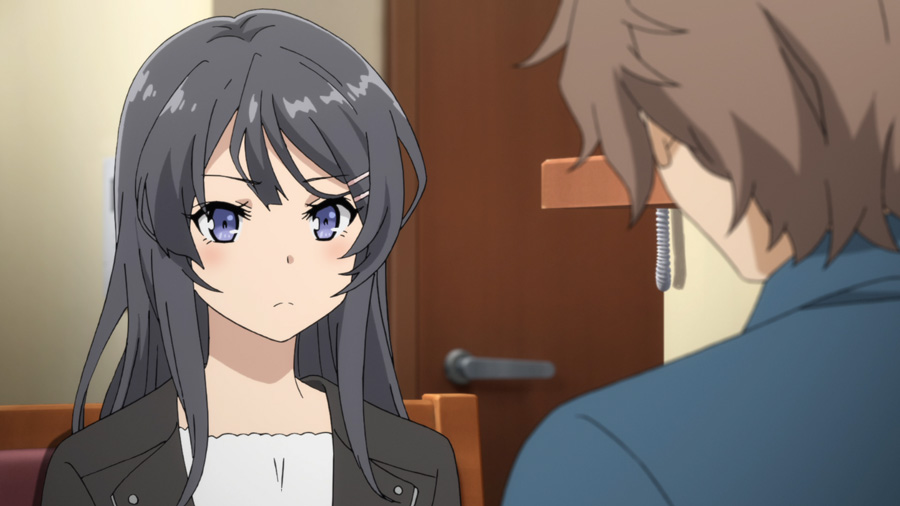
Mai Sakurajima, the titular "bunny woman senpai," embodies this completely. Her expertise with the puberty syndrome manifests as her invisibility to most individuals, a mirrored image of her personal emotions of alienation and the stress she feels to evolve to societal expectations. Her battle to reconcile her want for normalcy along with her distinctive state of affairs turns into a central theme, highlighting the challenges of sustaining individuality in a world that always calls for conformity. Sakuta, along with his unwavering empathy and willingness to know Mai’s predicament, turns into her anchor, demonstrating the significance of real connection and acceptance in navigating the complexities of adolescence.
Sakuta himself is way from a typical anime protagonist. He is cynical, perceptive, and possesses a wholesome dose of sarcasm, but beneath his jaded exterior lies a deep effectively of compassion. His willingness to interact with the extraordinary points of the puberty syndrome, with out dismissing them as mere fantasy, units him aside. He actively seeks to know the foundation causes of every woman’s struggling, demonstrating a degree of emotional intelligence hardly ever seen in anime protagonists. This empathetic method permits him to construct real connections with the varied forged of characters, every grappling with their distinctive struggles.
The supporting forged is equally compelling. Every woman affected by the puberty syndrome represents a special side of adolescent expertise. Shoko Makinohara, a withdrawn and introverted classmate, grapples with emotions of inadequacy and the stress to satisfy unrealistic expectations. Rio Futaba, a childhood pal of Sakuta, offers with the complexities of unrequited love and the worry of shedding herself within the pursuit of others’ approval. Tomoe Koga, a seemingly assured and fashionable woman, struggles with the load of her duties and the worry of disappointing these round her. Every character’s journey is deeply private and relatable, enriching the general narrative with a nuanced exploration of the varied challenges confronted by youngsters.
The narrative construction of "Bunny Lady Senpai" is cleverly crafted, weaving collectively a number of interconnected storylines. Every arc focuses on a special woman and their particular manifestation of the puberty syndrome, permitting for a various exploration of adolescent anxieties and needs. Nonetheless, these particular person tales will not be remoted; they’re intricately linked to Sakuta’s personal private progress and his relationship with Mai. This interconnectedness creates a way of narrative cohesion, enriching the person character arcs and offering a higher understanding of the overarching themes.
Past the person tales, "Bunny Lady Senpai" explores broader themes resembling the character of actuality, the ability of perception, and the significance of self-acceptance. The fantastical components of the puberty syndrome function a car for exploring these advanced philosophical questions. The collection challenges the viewers to query the boundaries of actuality and to contemplate the subjective nature of notion. The characters’ experiences spotlight the ability of perception and the influence it could possibly have on shaping actuality. In the end, the collection emphasizes the significance of self-acceptance and the braveness to embrace one’s individuality, no matter societal expectations.
The animation type of "Bunny Lady Senpai" is visually gorgeous, capturing the sweetness and vibrancy of adolescence. The character designs are expressive and well-defined, reflecting the personalities and emotional states of the characters. The background artwork is equally spectacular, creating a practical and immersive world that enhances the narrative. The soundtrack additional enhances the emotional influence of the collection, completely capturing the temper and environment of every scene.
Nonetheless, the collection is not with out its criticisms. Some viewers could discover the pacing uneven, with sure arcs feeling extra developed than others. Others may discover the romantic components considerably predictable, although the emotional depth of the connection between Sakuta and Mai transcends typical rom-com tropes. The collection additionally touches on delicate matters resembling melancholy and self-harm, and whereas it handles these themes with sensitivity, viewers ought to pay attention to their potential influence.
Regardless of these minor criticisms, "Rascal Does Not Dream of Bunny Lady Senpai" stays a outstanding achievement in anime storytelling. Its mix of fantasy and realism, its compelling characters, and its exploration of profound thematic considerations make it a very unforgettable expertise. The collection transcends the everyday style boundaries of a highschool romance, providing a deeply insightful and emotionally resonant portrayal of adolescence, its challenges, and its triumphs. It is a story that resonates lengthy after the credit roll, prompting reflection on the complexities of human expertise and the enduring energy of human connection. The collection’ enduring attraction lies in its capacity to current relatable struggles inside a fantastical framework, in the end providing a message of hope, self-acceptance, and the significance of embracing the distinctive and sometimes bewildering journey of rising up. It is a present that stays with you, prompting introspection and reminding us of the sweetness and fragility of the human expertise, wrapped in an enthralling and visually gorgeous bundle.






Closure
Thus, we hope this text has supplied priceless insights into The Unfolding Dreamscape: A Deep Dive into "Rascal Does Not Dream of Bunny Lady Senpai". We thanks for taking the time to learn this text. See you in our subsequent article!