Why Girls Kill: A Deconstruction of Domesticity, Want, and Deceit
Associated Articles: Why Girls Kill: A Deconstruction of Domesticity, Want, and Deceit
Introduction
With enthusiasm, let’s navigate by way of the intriguing subject associated to Why Girls Kill: A Deconstruction of Domesticity, Want, and Deceit. Let’s weave fascinating info and supply recent views to the readers.
Desk of Content material
Why Girls Kill: A Deconstruction of Domesticity, Want, and Deceit

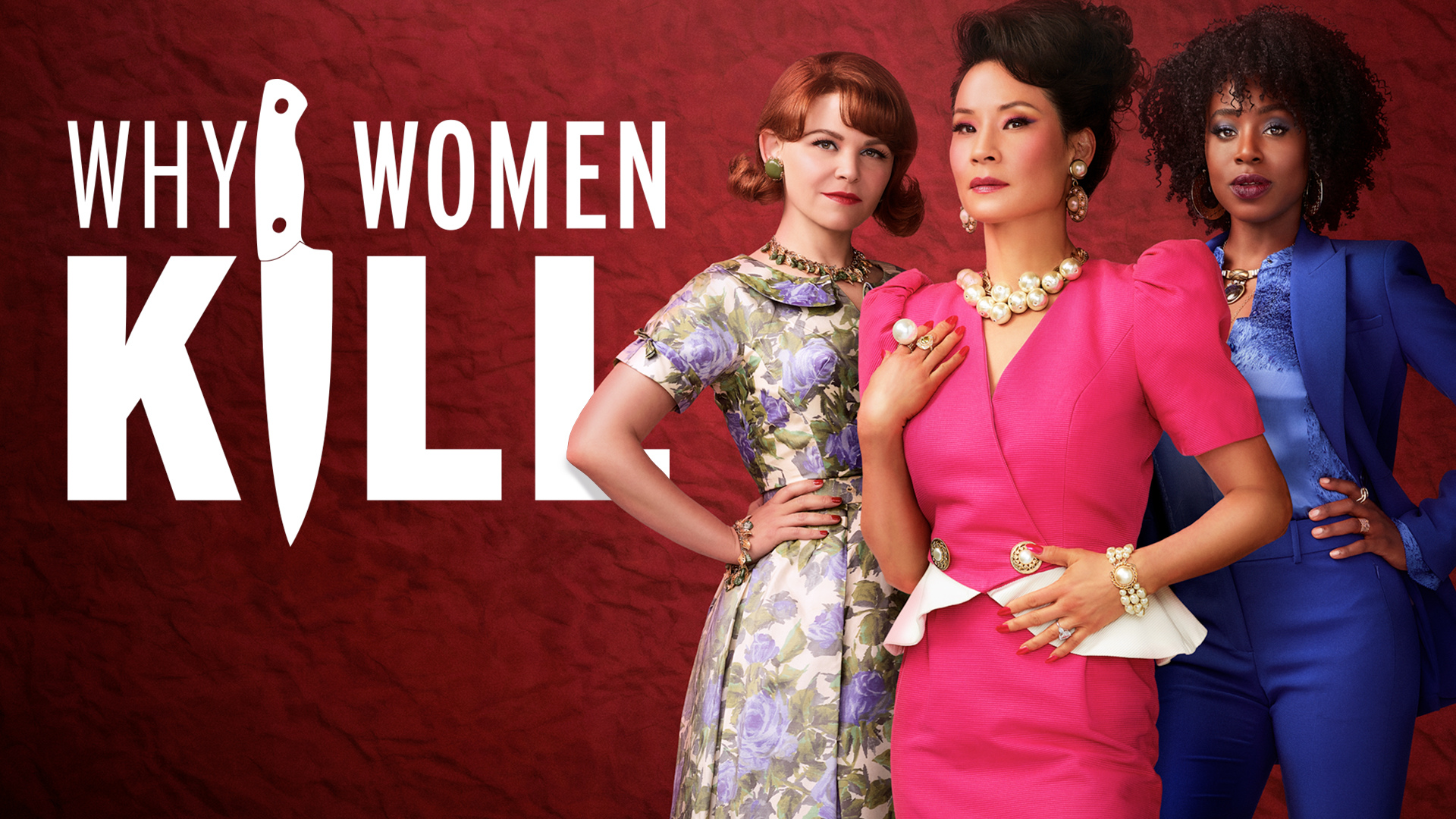
"Why Girls Kill," a darkish comedic anthology collection, is not nearly homicide; it is a biting satire of societal expectations positioned upon girls throughout completely different eras. Every season presents a definite narrative, certain collectively by the widespread thread of feminine transgression and the often-lethal penalties of stifled needs, societal constraints, and the suffocating weight of patriarchal buildings. The present’s brilliance lies not solely in its compelling mysteries but in addition in its insightful exploration of feminine company, albeit usually expressed by way of excessive acts. By inspecting the motivations and circumstances of every season’s protagonists, we are able to unpack the advanced the explanation why these girls, seemingly trapped inside their prescribed roles, finally select violence as a method of liberation, albeit a flawed and sometimes tragic one.
Season 1: The Suffocating Sixties and the Value of Conformity
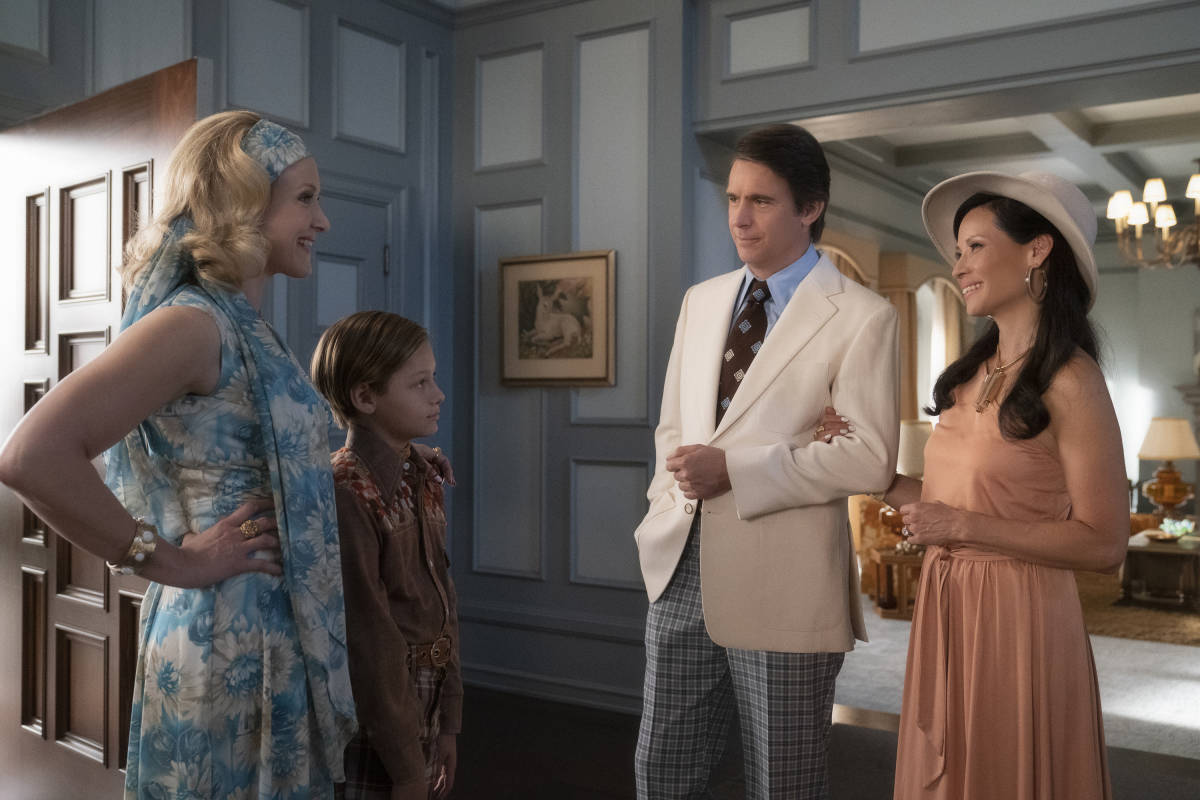
The primary season plunges us into the seemingly idyllic world of suburban Paradise, California, in 1963. Beth Ann Stanton, performed with icy grace by Ginnifer Goodwin, embodies the right image of domesticity: a faithful spouse, mom, and homemaker. Nevertheless, beneath the pristine façade lies a simmering resentment fueled by her husband Rob’s infidelity and the stifling limitations of her prescribed function. The invention of Rob’s affair with a younger artist ignites a sequence of occasions that culminates in homicide, a determined act born from a mixture of betrayal, wounded pleasure, and a determined craving for company inside a society that denies it to her.
Beth Ann’s story is a strong commentary on the unstated pressures and expectations positioned upon girls within the Sixties. Her meticulously curated life is a efficiency, a determined try to take care of a semblance of management in a world that dictates her price based mostly on her marital standing and her capacity to adapt to inflexible social norms. The homicide, although stunning, turns into a logo of riot, a determined try to reclaim her narrative and her sense of self. The present subtly highlights the hypocrisy of the period, the place males are granted freedom and forgiveness for his or her transgressions, whereas girls face ostracism and damage for even the slightest deviation from the anticipated path. Beth Ann’s journey, although violent, is a testomony to the simmering frustration and pent-up rage that may erupt when a girl’s needs and ambitions are persistently suppressed.
Season 2: The Roaring 80s and the Phantasm of Empowerment
Season 2 shifts the narrative to the flamboyant and materialistic world of 1984, the place the main focus shifts to 3 girls navigating the complexities of marriage, infidelity, and ambition. Simone Grove, a profitable tv author, struggles together with her husband Karl’s more and more erratic conduct and her personal craving for artistic success. Taylor, a socialite scuffling with identification, finds herself entangled in a fancy internet of relationships, whereas Alma, the seemingly docile spouse of a rich, getting old man, harbors a secret lifetime of her personal.
This season explores the phantasm of feminine empowerment within the Eighties, a decade usually related to elevated alternatives for girls however nonetheless riddled with patriarchal buildings and double requirements. Whereas girls gained entry to careers and monetary independence, the strain to take care of an ideal picture and conform to societal magnificence requirements remained intense. The three girls’s experiences spotlight the other ways wherein these pressures manifest, resulting in devastating penalties. Simone’s story explores the battle between ambition and domesticity, whereas Taylor’s highlights the complexities of identification and self-discovery in a world obsessive about appearances. Alma’s narrative delves into the facility dynamics inside a wedding and the lengths a girl would possibly go to to take care of management and safety.
The season subtly criticizes the superficiality and materialism of the period, displaying how these components can exacerbate present societal inequalities and contribute to the unraveling of private relationships. The ladies’s acts of violence, whereas morally questionable, are offered as a response to systemic inequalities and the constraints imposed upon them by a society that prioritizes superficial success over real success.
Season 3: The Shifting Sands of the Current and the Burden of Expectation
The third and remaining season takes place within the current day, providing a recent perspective on the themes explored within the earlier seasons. The narrative follows three girls – a religious spouse in a polyamorous relationship, a struggling actress, and a famend artist – whose lives intersect in surprising methods. This season explores the complexities of recent relationships, the strain to adapt to evolving social norms, and the challenges confronted by girls in navigating their identities inside a quickly altering world.
This season tackles the fluidity of recent relationships and the complexities of consent, exploring the nuances of feminine want and the challenges of sustaining autonomy in relationships. The present tackles problems with social media, on-line personas, and the strain to take care of an ideal on-line picture, highlighting the methods wherein these components can have an effect on girls’s self-perception and relationships. The violence on this season is once more offered as a consequence of societal pressures and the battle to reconcile private needs with exterior expectations.
The Energy of the Anthology Format
The anthology format of "Why Girls Kill" permits the present to discover the complexities of feminine expertise throughout completely different eras, highlighting the enduring nature of societal inequalities and the persistent battle for feminine company. Every season gives a recent perspective, providing a nuanced exploration of the methods wherein girls navigate energy dynamics, societal expectations, and private needs. The present would not shrink back from depicting the morally ambiguous nature of the ladies’s actions, forcing viewers to confront uncomfortable truths concerning the penalties of societal pressures and the lengths to which girls could go to flee them.
Past the Violence: A Deeper Have a look at Feminine Company
Whereas the present facilities round acts of violence, it is essential to grasp that these acts will not be glorified or romanticized. As an alternative, they function a stark commentary on the constraints imposed upon girls all through historical past and the determined measures they might resort to when their company is denied. The present’s brilliance lies in its capacity to humanize these girls, exploring their motivations, vulnerabilities, and the advanced internet of circumstances that result in their actions. It is a present that challenges viewers to query societal norms, to empathize with the struggles of girls throughout completely different eras, and to think about the far-reaching penalties of a system that always silences and marginalizes feminine voices.
"Why Girls Kill" is finally a strong and thought-provoking exploration of feminine company, societal expectations, and the often-lethal penalties of stifled needs. By means of its compelling narratives, darkish humor, and insightful commentary, the present leaves a long-lasting affect, prompting reflection on the enduring battle for girls to outline their very own lives on their very own phrases, even within the face of overwhelming societal pressures. It is a present that dares to ask uncomfortable questions, difficult viewers to confront the complexities of feminine expertise and the often-violent penalties of a world that refuses to completely embrace feminine autonomy.






Closure
Thus, we hope this text has offered worthwhile insights into Why Girls Kill: A Deconstruction of Domesticity, Want, and Deceit. We thanks for taking the time to learn this text. See you in our subsequent article!